In a Nutshell
What: With the recent purchase of its longtime headquarters, Praxis Fiber Workshop is solidifying its role as a permanent anchor in an arts district helping to revitalize a community deeply impacted by deindustrialization and resulting loss of manufacturing jobs.
Sectors: Arts and Culture, Community Development
Location: Cleveland, OH (North Collinwood)
Cost: $377,000
Funding and Financing Sources: IFF loan, Cleveland Foundation, Gund Foundation, agency equity
IFF Support: $70,000 loan closed in October 2018; $346,850 loan closed in February 2025
IFF Staff Lead: Scott Hackenberg, managing director of lending – Eastern Region
Impact: Increased revenue to support the organization’s operations and programming generated through rentals of temporary living spaces for artists in residence, a new retail store, and the expansion of the Praxis’ indigo growing operation.
Arts and culture are impactful forces in community development, leveraging the power of creativity and expression to build stronger, more vibrant, and resilient communities. This is accomplished by bringing people together, beautifying spaces, and attracting visitors and investment — creating momentum that can be harnessed to address place-based challenges that might otherwise remain insurmountable.
Few places better exemplify this dynamic than Cleveland’s Waterloo Arts District, a 10-block stretch in the city’s Collinwood neighborhood — a once-bustling community on the city’s far northeast side deeply impacted in the 1960s and 1970s by deindustrialization, resulting job losses, and social tension fueled by changing neighborhood demographics. Attracted to the neighborhood by affordable homes and workspace, artists began moving to the area in the 1990s. Over time, the neighborhood’s identity began to reflect this influx of new residents and, today, a robust blend of locally owned creative businesses and nonprofit arts organizations are serving as the driving force in the community’s revitalization.
Among them is nonprofit Praxis Fiber Workshop (Praxis), which anchors the west end of the Waterloo Arts District and will soon play an even larger role in Collinwood’s resurgence with the purchase of the facility where the organization has leased space since its founding. Spun out of the Cleveland Institute of Art (CIA) in 2014, Praxis offers classes and workshops covering a wide variety of fiber techniques, artist residencies, and collaborative projects centered around the fiber arts.
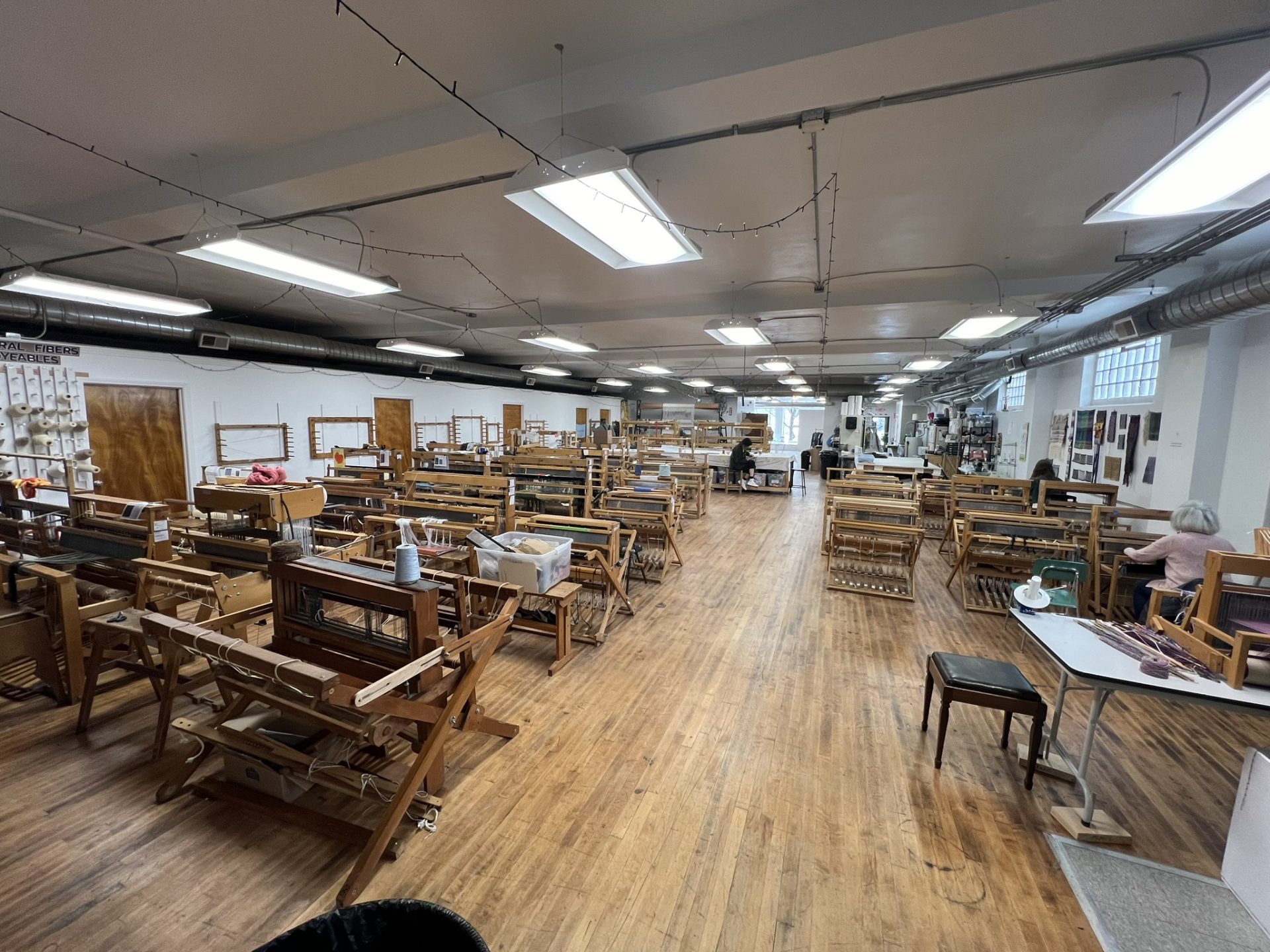
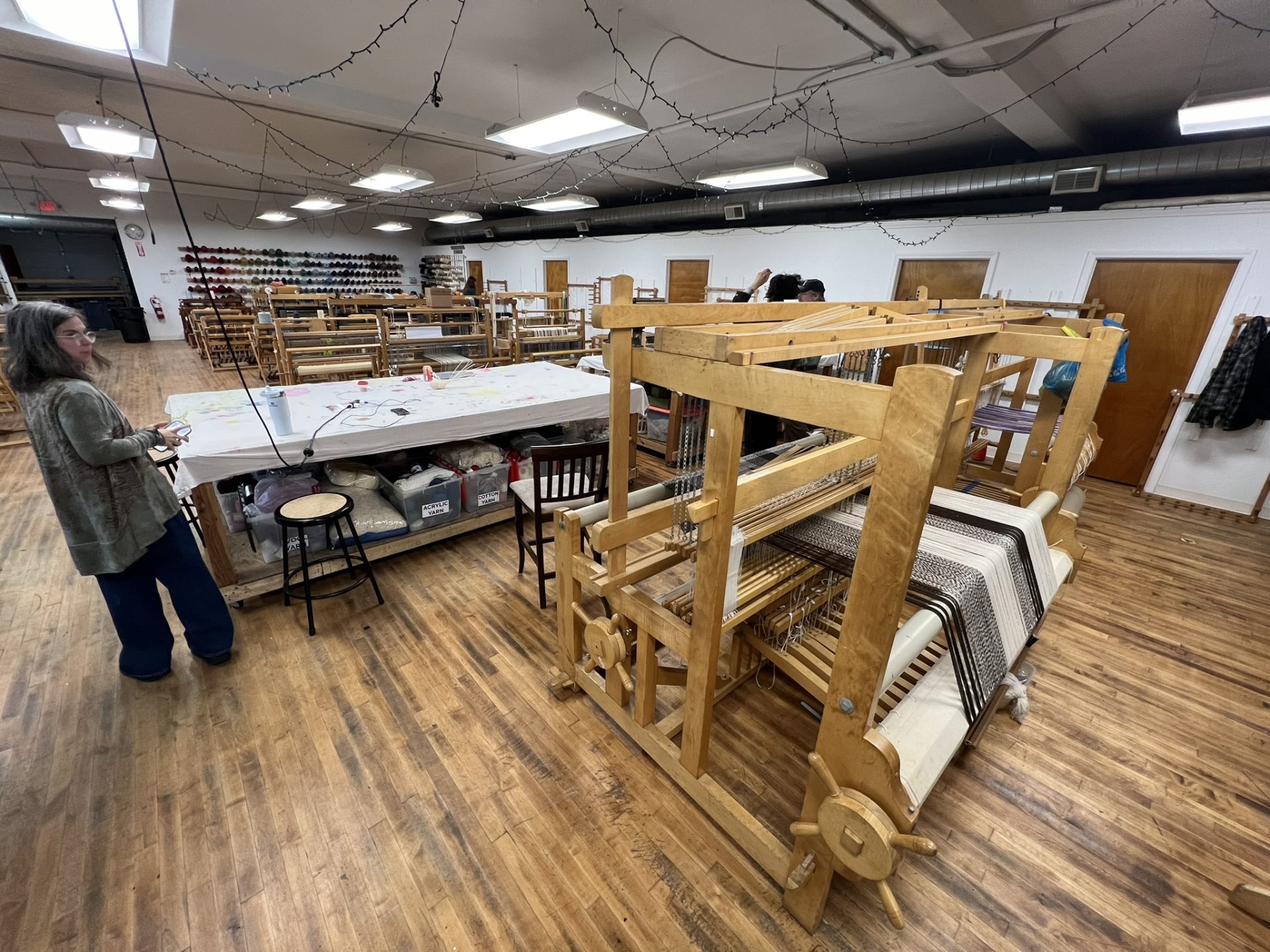
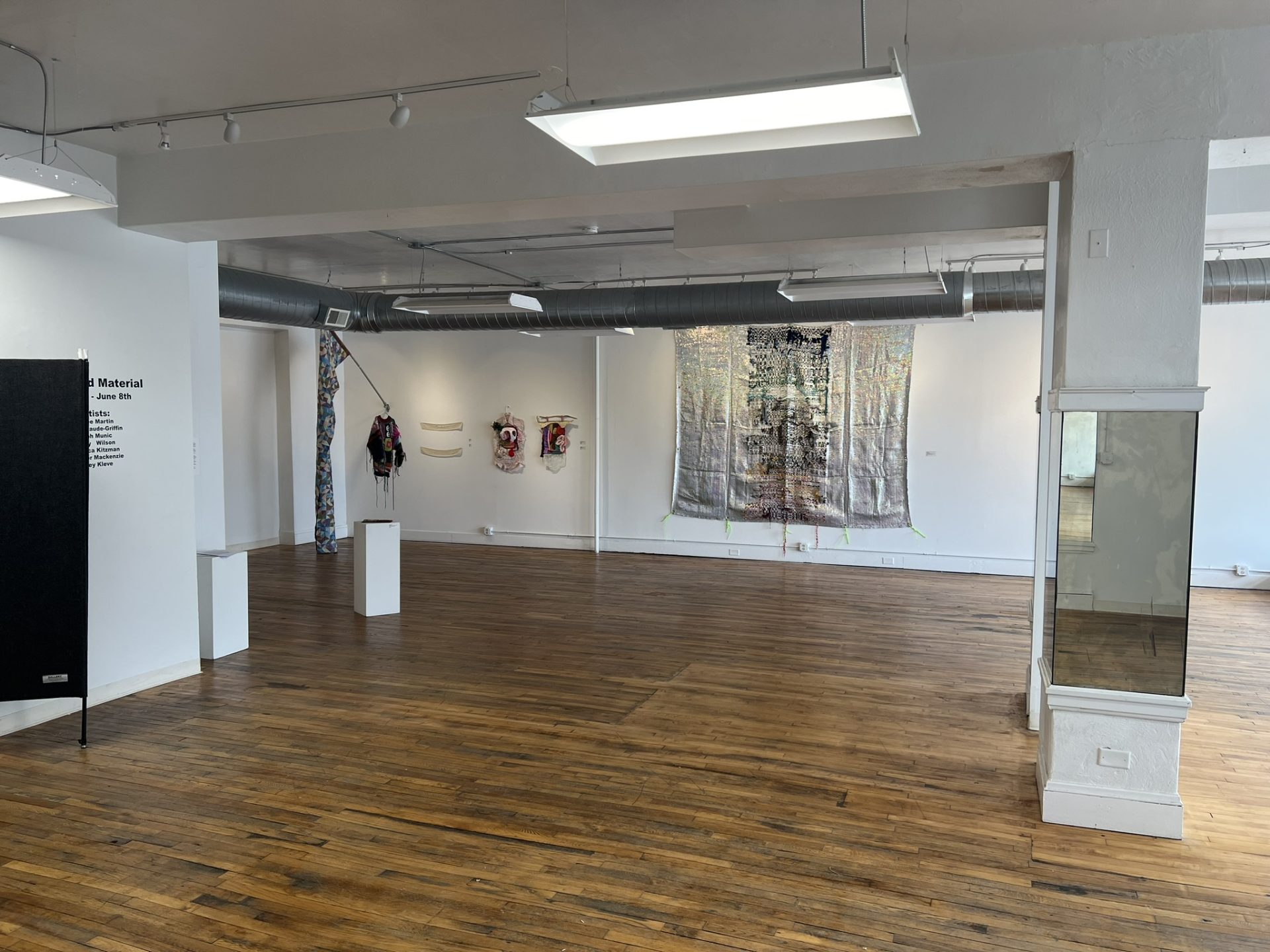
Intentionally choosing to locate Praxis in the Waterloo Arts District after a citywide search, the organization started out in a 5,000-square-foot studio filled with 17 floor looms and dying supplies donated by CIA. Since then, Praxis has steadily evolved to become a local institution through initiatives like a free community craft circle, as well as a destination that attracts fiber artists from around the world with unique resources like a digital weaving lab — one of only a handful in the United States accessible to individual fiber artists.
“We looked all over the city for the right place for Praxis, and we really fell in love with this neighborhood,” says Praxis Executive Director Jessica Pinsky. “It’s a tight-knit place, there’s a mix of commercial and residential properties that help us remain connected to the community, the building has a street-facing location so that we’re visible and accessible, and we’re in close proximity to other arts organizations. After more than 10 years in the neighborhood, we’re very rooted here and it made sense to buy our building, expand into the spaces we weren’t leasing previously, and continue investing in this community’s future.”
“After more than 10 years in the neighborhood, we’re very rooted here and it made sense to buy our building, expand into the spaces we weren’t leasing previously, and continue investing in this community’s future.”
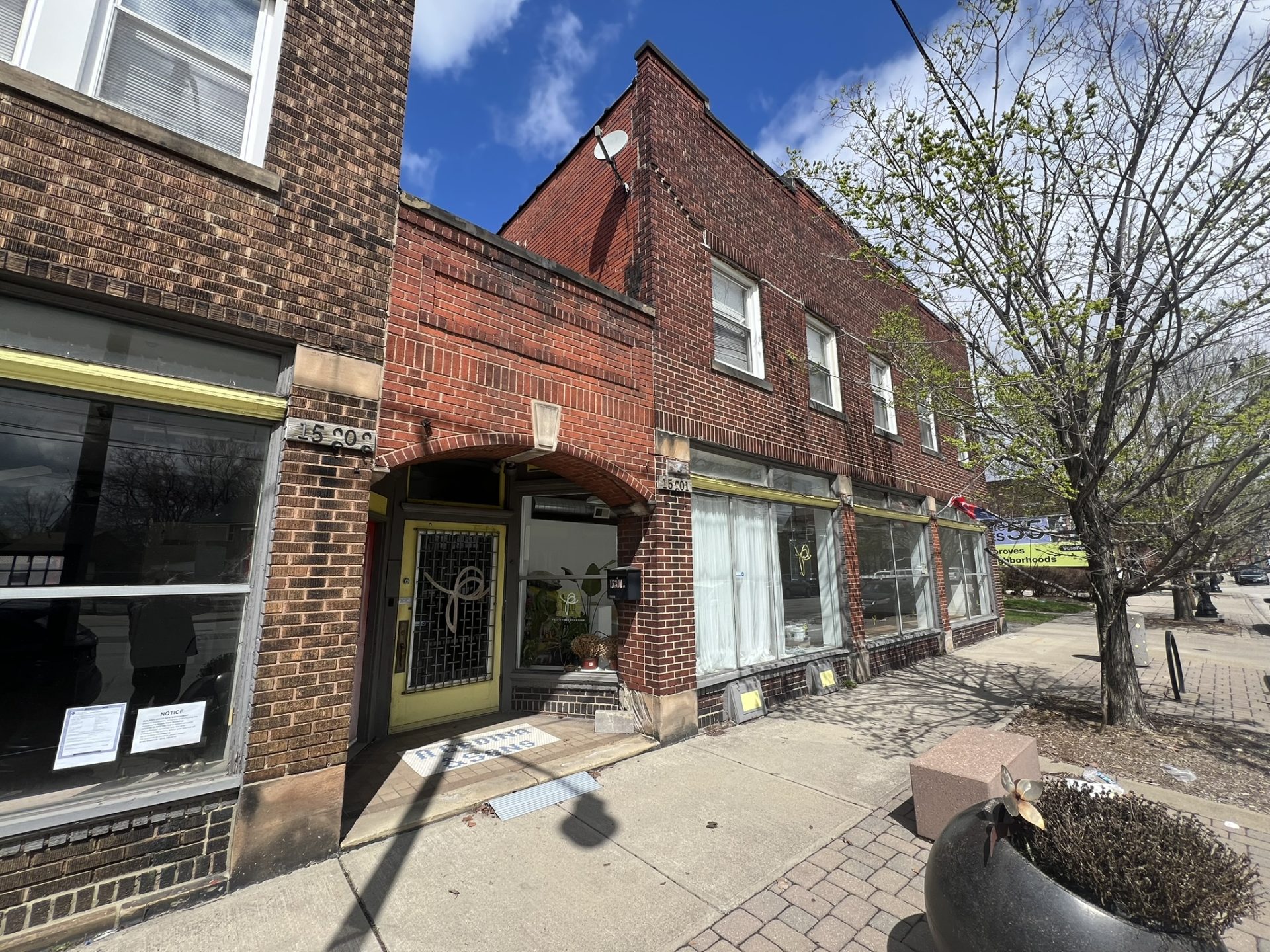
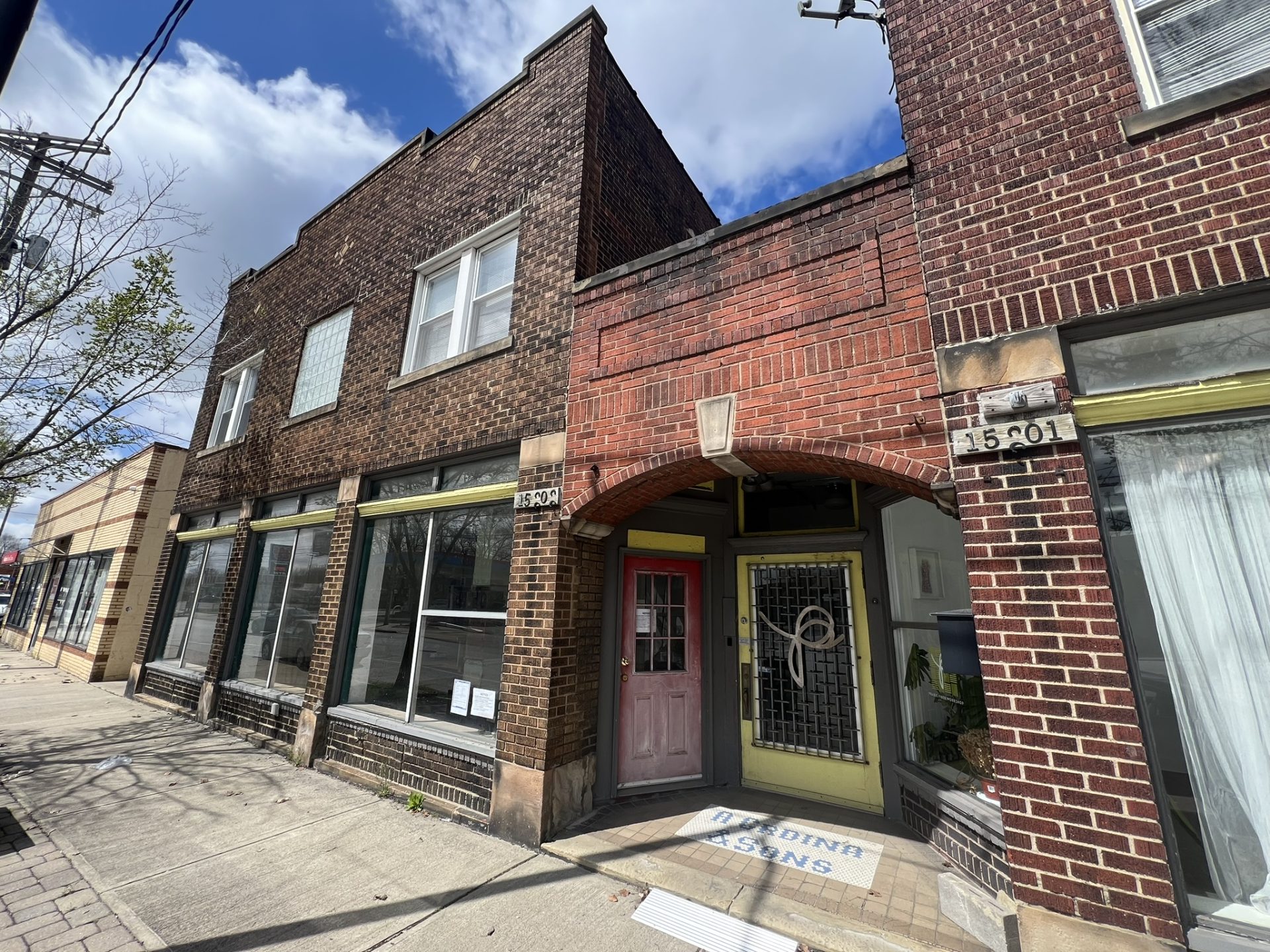
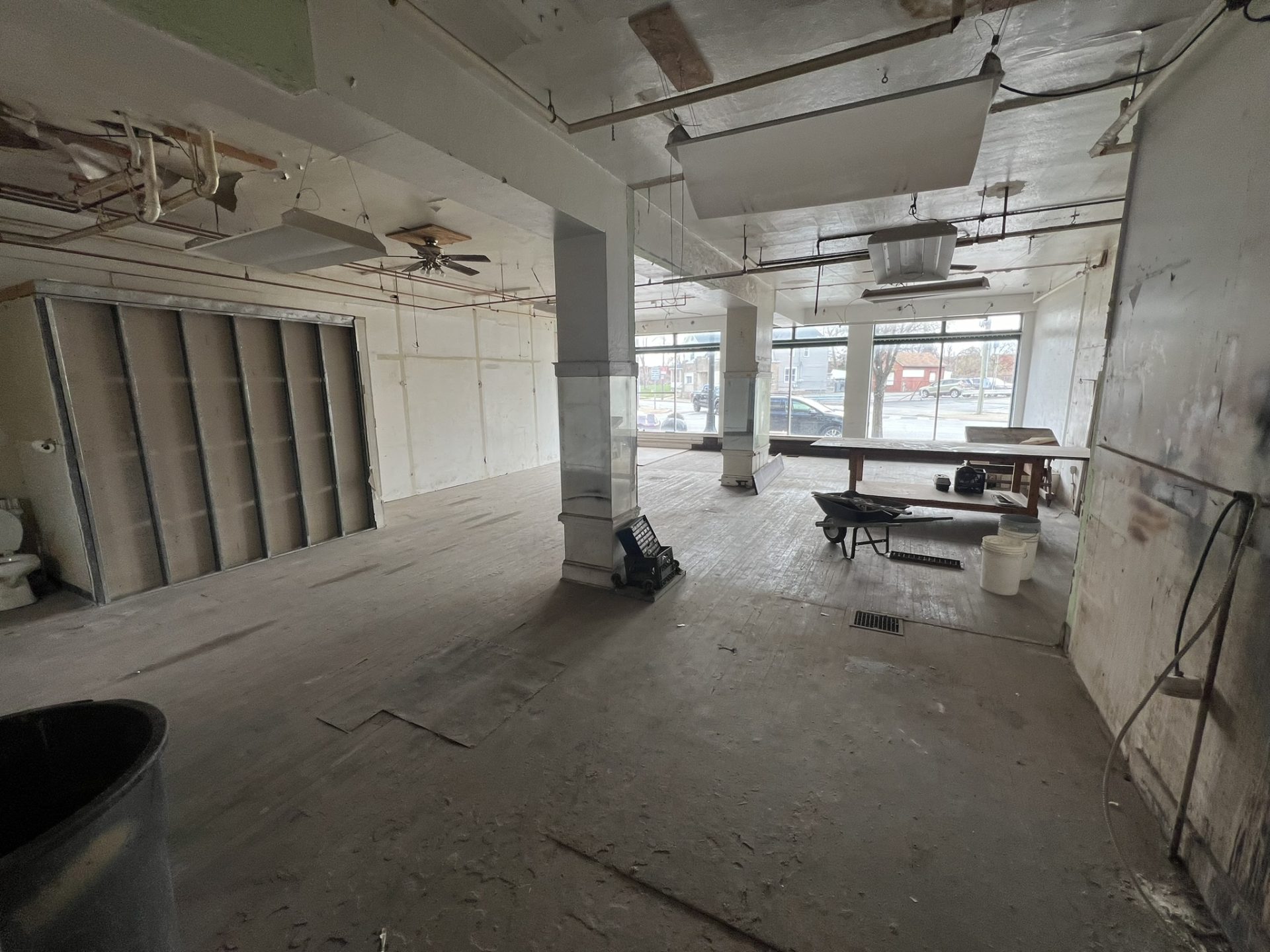
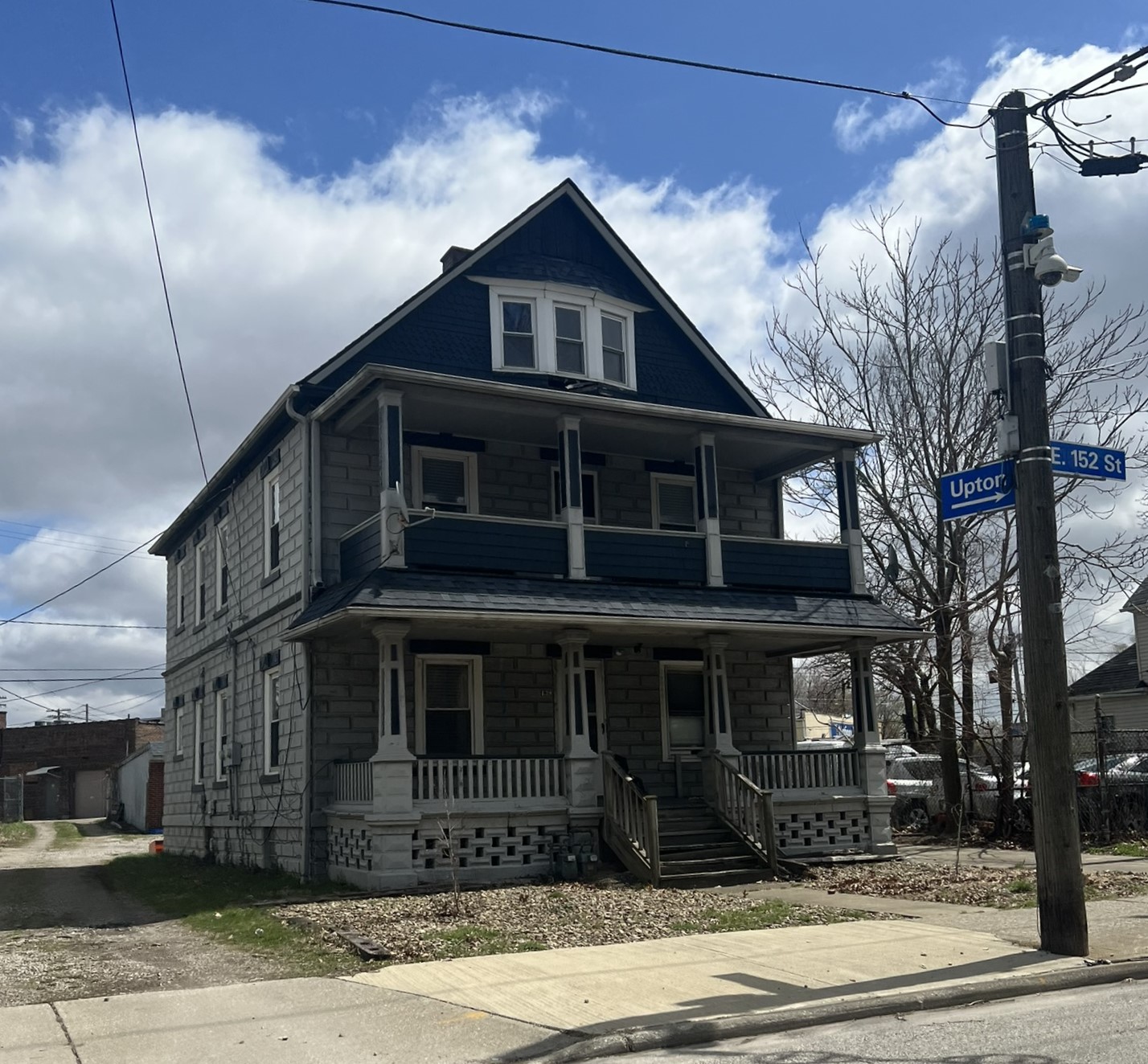
With additional space, Praxis is now moving forward with plans to create a full-blown campus for fiber arts that will include its existing studio, a textiles dye lab, and a 1,200-square-foot gallery for rotating exhibitions; a retail store for sustainable textiles that will be located on the ground floor of the building in a storefront adjacent to Praxis’ existing space; and three upstairs apartments for artists in residence who spend two weeks at Praxis creating art in a supportive environment. Rounding out the campus is an 1,872-square-foot duplex located behind Praxis’ other facilities that the organization purchased in 2018 with the help of a $70,000 loan from IFF. After acquiring the home, Praxis converted it to private workspace with a digital weaving machine and an upstairs apartment for artists in residence.
“Buying the house and creating a digital weaving lab to launch our residency program was a huge step for Praxis since we didn’t own our main facility at that point,” says Pinsky. “Ultimately, the residency program saved us from the pandemic because we had a safe, private space where artists could continue to work, which provided the organization with a steady source of revenue while dealing with all of the disruption to the rest of our operations.”
With additional living space for artists in residence to rent, Praxis will be able to expand the program and the revenue it generates while burnishing the organization’s reputation in the global fiber arts community by welcoming more artists to work in its facilities. Equally important to Praxis’ continued growth is the ground floor of the building, which the organization plans to renovate in the coming months to house its new retail store.
“Most people today know that you should read a food label before buying something at the grocery store, but that wasn’t always the case,” says Pinsky. “The fashion industry is the second leading global polluter after the oil industry because of all of the plastics in the clothes we wear, and there’s a need for the same kind of educational effort in fashion. We’re really excited to have a store where we’re selling sustainable clothing and can use that to help educate people about how we can make a better impact on our planet with our purchases.”
“The nice thing about artists buying buildings, and particularly when it’s an organization like Praxis that’s led by people who live in the neighborhood, too, is that we tend to apply a social lens to our business model that you’re not likely to get with a for-profit business. That can slow down development, but I believe that the more community-focused approach is more beneficial in the long-term.”
Supporting Praxis’ new venture will be an indigo growing operation that will provide the natural dye needed for the store’s products. Praxis specializes in the cultivation of Japanese indigo, which is hearty enough to survive in northeast Ohio, and since 2018 has grown its own on a once vacant lot in Collinwood several blocks away from its facilities. By purchasing its building and the property on which it sits, Praxis now has the outdoor space needed for a greenhouse that will expand the growing operation.
“We’ve been producing indigo since 2018 to use and to sell, and our parcel in Collinwood has been a great opportunity to connect with neighbors since we’re outside working the land on a regular basis,” says Pinsky. “But we haven’t been able to make enough to sell to meet the demand since we can only grow outside here four months a year. The vision for the campus is a giant greenhouse between our studio and duplex that will allow us to grow indigo year-round, which would drastically increase our volume and create an opportunity to launch a residency program for the indigo cultivation, too.”
To realize its vision for the campus, Praxis turned to IFF for a loan of approximately $347,000 that the organization used to acquire its facility. At the same time, Praxis leveraged another long-term relationship with the Cleveland Foundation for a grant that will be used for renovations to create the retail store. Together, these investments in Praxis’ future will enable the nonprofit to not only grow its footprint and revenue, but to play an even larger role in shaping the neighborhood’s future as a permanent presence in the Waterloo Arts District.
“The nice thing about artists buying buildings, and particularly when it’s an organization like Praxis that’s led by people who live in the neighborhood, too, is that we tend to apply a social lens to our business model that you’re not likely to get with a for-profit business,” says Pinsky. “That can slow down development, but I believe that the more community-focused approach is more beneficial in the long-term. You can see here how that approach has paid off over the past 30 years, and we’re thrilled to have the opportunity to keep contributing to this community’s growth.”
Praxis Fiber Workshop's Facilities